
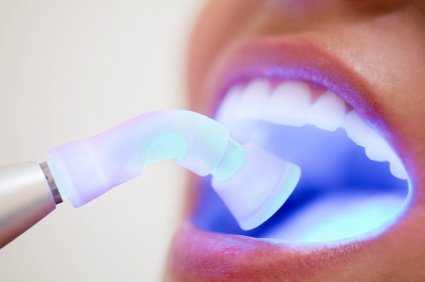
A composite filling restores part of a tooth that has been lost to decay, wear or a small fracture. The material is a resin containing fine glass particles, shaded to sit close to the colour of your own tooth, and it is bonded directly to the remaining tooth structure in a single appointment.
What it may help with
- Areas of decay that have been removed and need restoring.
- Small chips and fractures on front or back teeth.
- Worn biting edges, where the cause of the wear has also been addressed.
- Small gaps or shape irregularities on front teeth, in suitable cases.
- Replacing an existing filling that has broken down, leaked or decayed underneath.

Examination and suitability
Your dentist examines the tooth and, where useful, takes an X-ray to see how deep the decay reaches and whether the nerve is involved. Composite suits small to moderate cavities where enough healthy tooth remains to bond to and the bite forces on that tooth are not excessive.
Where a cavity is large, where a cusp has already fractured, or where decay has reached the pulp, a filling may not be the right answer. In that case your dentist will explain what is: an inlay, a crown, root canal treatment, or occasionally removal of the tooth. Suitability, timing and cost are decided after this examination, not before it.
What usually happens
- Local anaesthetic is commonly used, although a very shallow cavity may not need it.
- The tooth is isolated so it stays dry, which is what the bond depends on.
- Decayed and unsound tooth structure is removed.
- The composite is placed in layers and each layer is set with a curing light.
- The filling is shaped, your bite is checked and adjusted, and the surface is polished.

How many visits to expect
Usually one appointment of about an hour, covering one or more fillings depending on how much work is planned. This is an estimate: the number and size of the cavities, and what your dentist finds once the decay is removed, both change it.
Limitations, risks and alternatives
- A filling is a repair, not a new tooth. It has a working life and will need checking, and at some point replacing.
- Sensitivity to cold or to biting is common for a few days after placement and usually settles. Sensitivity that increases, or pain that keeps you awake, should be reported to the clinic.
- Composite can stain at its margins over time, particularly with coffee, tea, red wine or tobacco.
- Deep cavities carry a risk that the nerve does not recover, in which case root canal treatment or removal may be needed later.
- Alternatives include an inlay or onlay, a crown, or — for a tooth that cannot be saved — removal followed by a bridge or implant. Your dentist will set out which of these apply to your tooth.

A note on replacing older metal fillings
An existing amalgam filling that is sound, sealed and not causing symptoms does not need to be replaced for health reasons. Replacing one is a reasonable choice for appearance, or where the filling itself has failed, and your dentist will tell you honestly which of those applies. We do not recommend removing sound restorations on general principle.

After your treatment
You can eat and drink as soon as any anaesthetic has worn off — take care not to bite your lip or cheek until it has. Brush and floss the tooth normally. Contact the clinic if your bite feels high, if sensitivity worsens rather than settles over the first week, or if the filling feels rough or catches.
Ready to talk it through?
Request an assessment and the dentist will explain which options suit you, how long they take and what they are estimated to cost.