People usually arrive having decided they want veneers. Often they are right. Sometimes the tooth in question has a large old filling, a crack and a root canal behind it, in which case a veneer bonded to what is left would be a beautiful thing bonded to a weak thing.
Here is how the decision is actually made.
The physical difference
A veneer is a thin shell — porcelain or composite — bonded to the front surface of a tooth. Preparation removes a small amount of enamel from that face and a little from the edge. The back and the core of your tooth stay untouched.
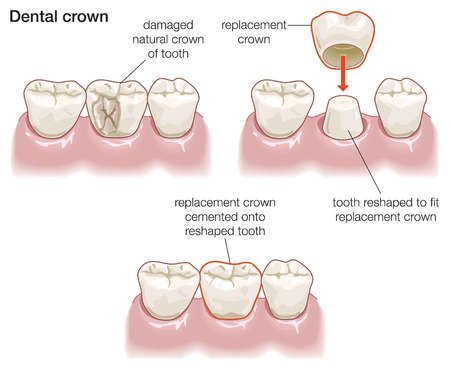
A crown covers the whole tooth. Preparation reduces it on every side, leaving a smaller core for the crown to sit over. It is more destructive by design, because its job is to hold a weakened tooth together.
| Veneer | Crown | |
|---|---|---|
| Covers | Front face and edge | The entire tooth |
| Tooth removed | Small, mostly enamel | Substantial, all surfaces |
| Best on | Sound teeth with a cosmetic problem | Weak, cracked or heavily filled teeth |
| Bonded to | Enamel, which bonds well | Whatever remains |
| After a root canal | Usually not enough | Usually the right answer |
When a veneer is the right choice
- The tooth is structurally sound — no large fillings, no cracks, no root canal.
- The problem is appearance: shade, shape, small chips, a gap, mild crowding.
- There is enough enamel left to bond to. This matters more than anything else, because veneer bonding relies on enamel; bonded to dentine it is measurably less reliable.
- Your bite does not slam that tooth every time you close.
When a crown is the right choice
- The tooth has a large existing filling with not much natural tooth around it.
- It is cracked, or has already broken once.
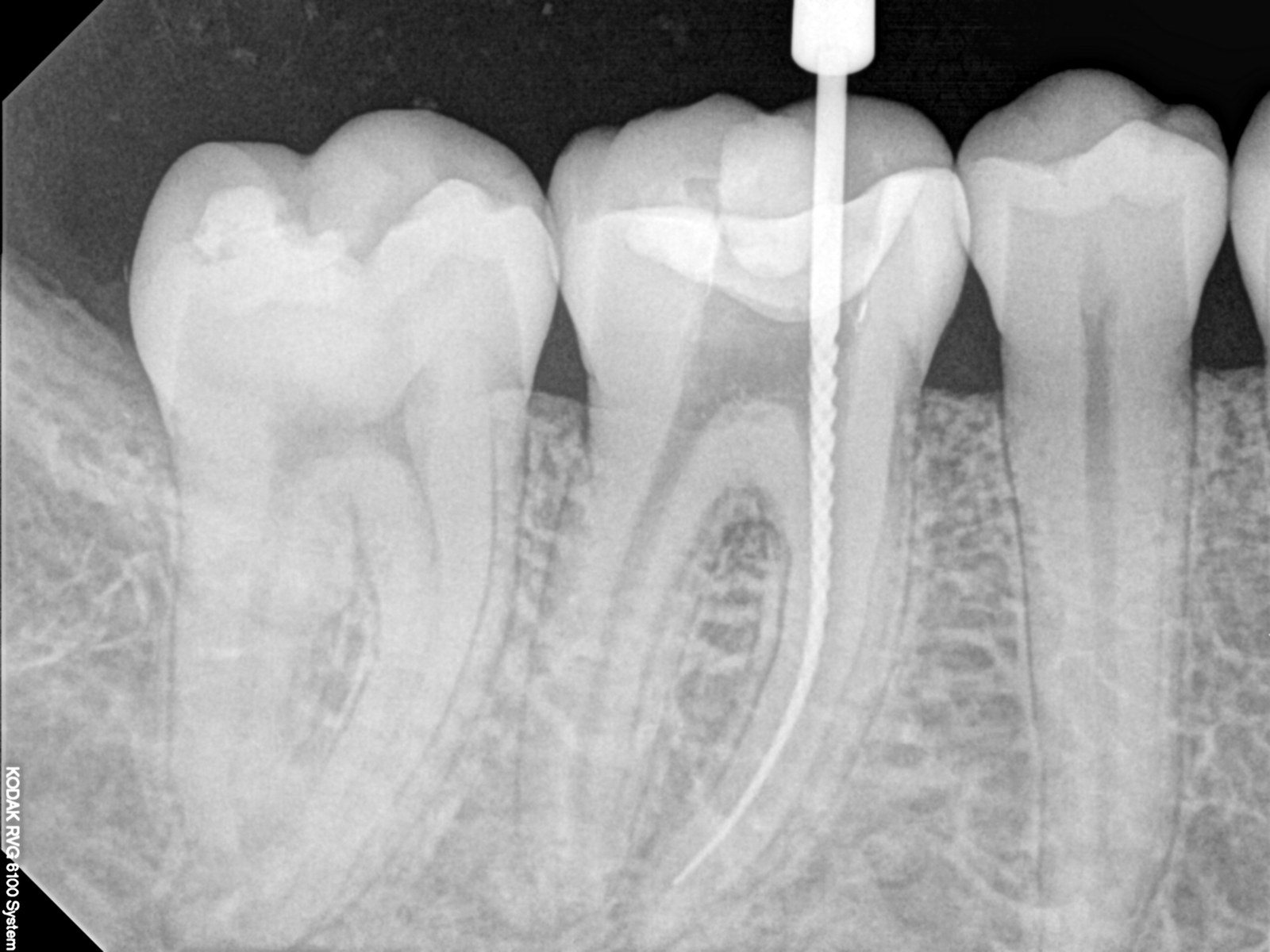
- It has had root canal treatment — especially a back tooth, which takes heavy chewing forces and becomes brittle after treatment.
- It needs to anchor a bridge.
The mixed answer nobody expects
It is entirely normal to end up with both across one smile — veneers on the sound front teeth, a crown on the one that had a root canal years ago. A good technician can match them, though it is genuinely harder than making eight identical veneers, which is one reason the plan takes a conversation rather than a price list.
If you are combining them, do the shade planning first and in daylight.
What about not doing either?
Worth asking, and often overlooked:
- Whitening changes shade without removing anything at all. If shade is your only complaint, start here.
- Composite bonding can close a small gap or rebuild a chipped corner in one visit, removing almost no tooth, at a lower price. It stains more over time and lasts fewer years — but it is reversible in a way that porcelain is not.
Any dentist proposing porcelain should be able to tell you what those alternatives would achieve in your case.

Is a crown stronger than a veneer?
Yes, and that is the point of it — a crown wraps the tooth and holds it together. A veneer relies on the tooth underneath already being sound.
Can I have a veneer on a root-treated tooth?
Usually not the best choice, particularly on a back tooth. Root-treated teeth are more brittle and generally do better under a crown.
Which lasts longer, a veneer or a crown?
Both commonly last ten to fifteen years or more. Longevity depends far more on your bite, your hygiene and whether you grind than on which one it is.
Do veneers or crowns hurt?
Preparation is done under local anaesthetic. Some sensitivity for a few days afterwards is normal, particularly with crowns.
Can I go from a veneer to a crown later?
Yes — a veneer can be replaced by a crown if the tooth later weakens. Going the other way is not possible, which is why the more conservative option is worth taking when it is available.
Still not sure?
Tell us what is bothering you and we will explain the next steps before you book.